-
Updating Roman Jakobson’s ‘Poetic Function’ with Vector Semantics
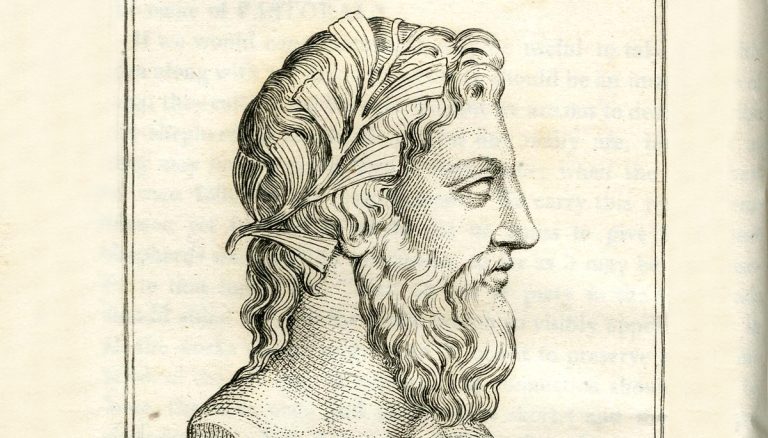
Read more: Updating Roman Jakobson’s ‘Poetic Function’ with Vector SemanticsKurzynski discusses how poetry extends beyond sound and rhythm and taps into a deeper network of meanings.


Kurzynski discusses how poetry extends beyond sound and rhythm and taps into a deeper network of meanings.

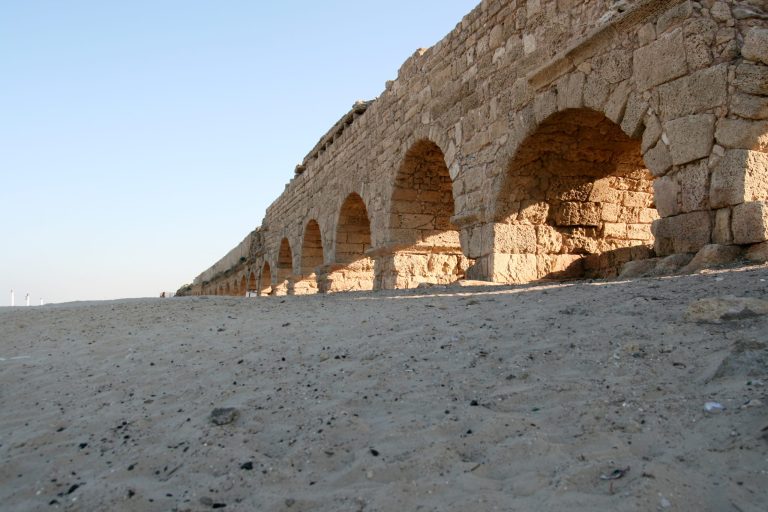
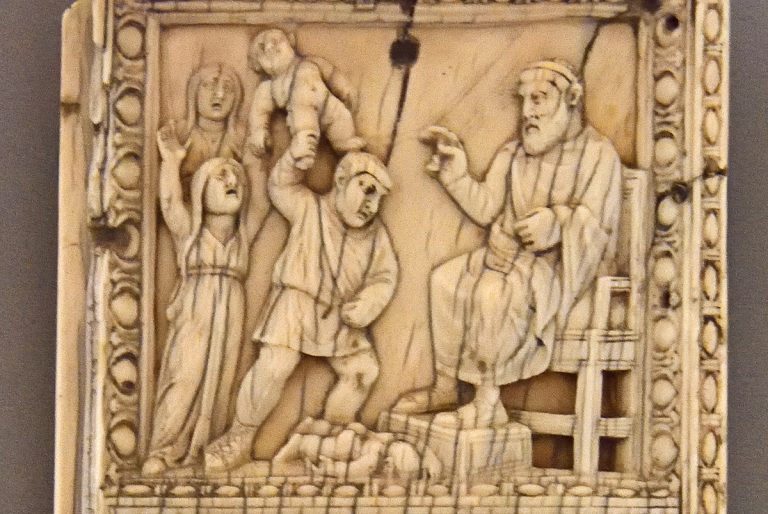
by Megan Nutzman Imagine, if you will, a woman living in Caesarea in the early fourth century CE. Caesarea is a bustling metropolis, the provincial capital. It is home to a cross section of Palestine’s inhabitants: Roman officials, Greek-speaking polytheists,…

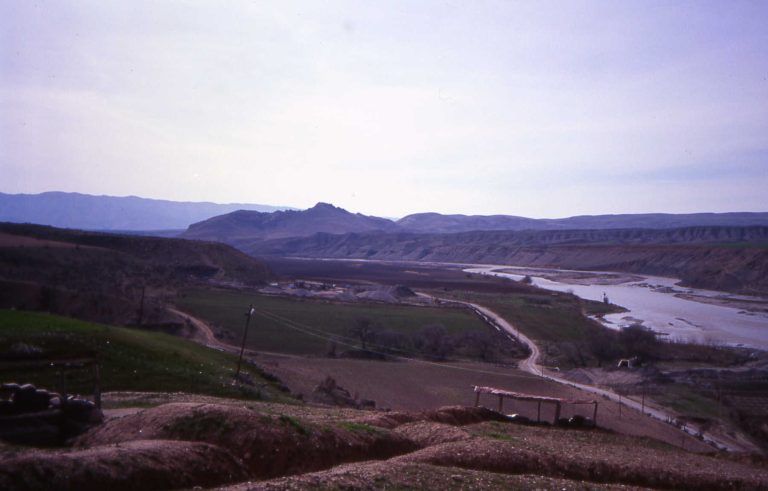
This selection of sixteen photographs together with the accompanying descriptions by Xenophon aim to provide a sense of the travel experience from the journey’s beginning at Sardis to the army’s famous sighting of the Black Sea from the mountains south of modern Trabzon.

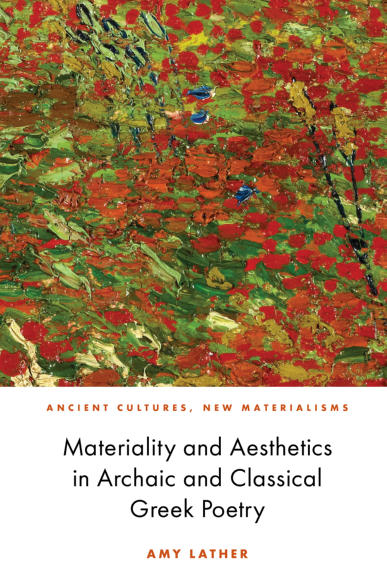
Melissa Mueller and Lilah Grace Canevaro interview Amy Lather, author of Materiality and Aesthetics in Archaic and Classical Greek Poetry, the first book to publish in the new Ancient Cultures, New Materialism series.

Bill Angus tells us five things you (probably) didn't know about crossroads.

By Stuart Gillespie I was one of the two founding editors of this journal in 1992. Anyone involved with a publication for this long will have travelled far, and when I look back over the thirty-year lifespan of Translation and…

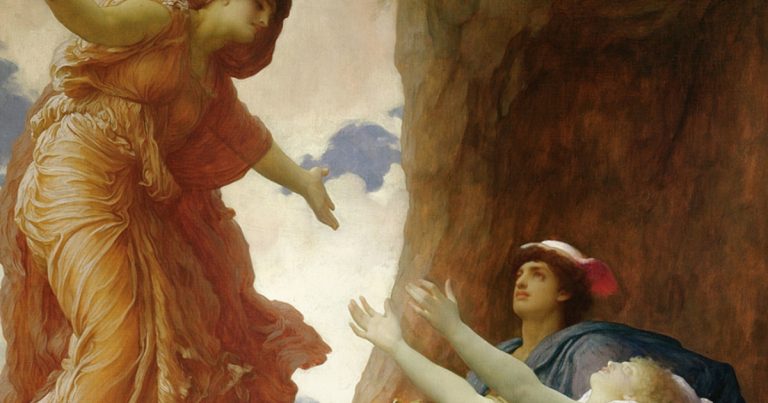
By Virginie Trachsler The young Persephone is gathering flowers in a meadow when her uncle Hades, god of the underworld, rises through a crack in the earth and abducts her on his golden chariot. Her mother Ceres wanders the earth…

By Tessa Roynon In recent weeks, the U.S. Capitol in Washington D.C. has been much in the public eye. Whether stormed by President Trump’s supporters on 6th January, or as the “hallowed ground” that formed the backdrop to President Biden’s…

The oldest layers of the surviving Zoroastrian texts are in Avestan language and commonly dated to the middle of the second millennium BCE. Exact dates and circumstances of composition, however, remain uncertain, so that little is known about the socio-political context from which these texts emerged. After two millennia of oral transmission, the texts were finally committed to writing, at a time when the language must have no longer been in active use.