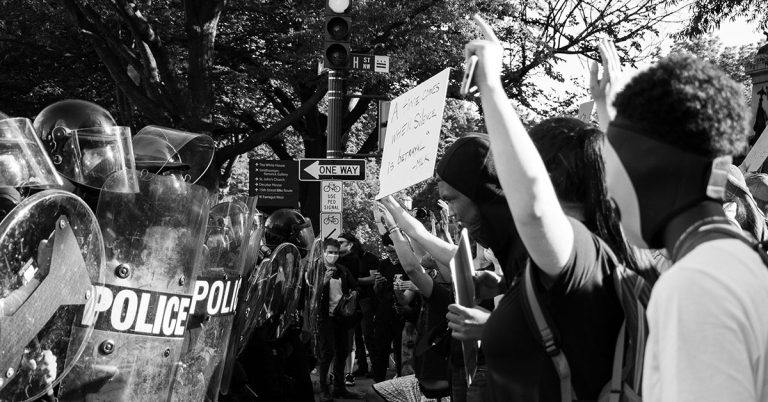
Against the Erasure Machine: Scholasticide, Memory and the Power of Pedagogy
Henry A. Giroux argues for the necessity of critical pedagogy in resisting authoritarianism and scholasticide in Gaza, the USA and globally.


Henry A. Giroux argues for the necessity of critical pedagogy in resisting authoritarianism and scholasticide in Gaza, the USA and globally.
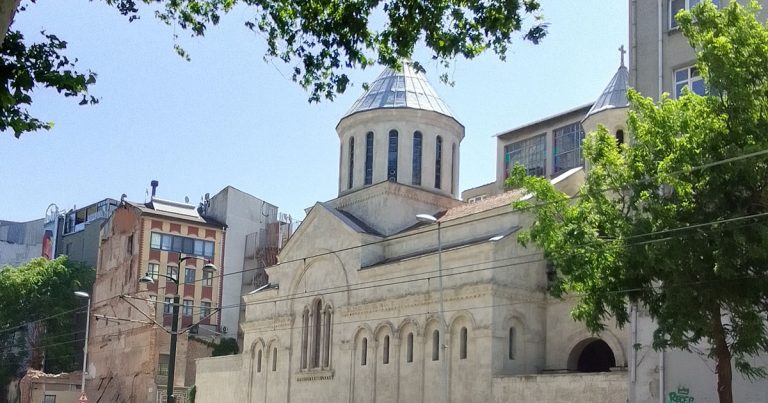
Masayuki Ueno re-evaluates how the Ottoman Empire managed religious minorities from the early days of the empire to the nineteenth century.
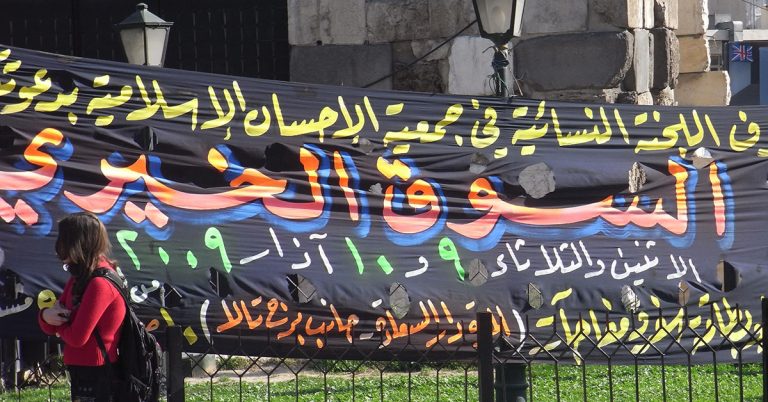
Laura Ruiz de Elvira explores the role of charities in Bashar al-Asad’s Syria and, by extension, the eventual downfall of the regime.

Simon Wolfgang Fuchs and Thomas Pierret explore the gap between oppressive and emancipatory utopias in the Middle East and North Africa
How have diasporas and migrants contributed to the rise of the US as a great political, economic, scientific, and cultural power?
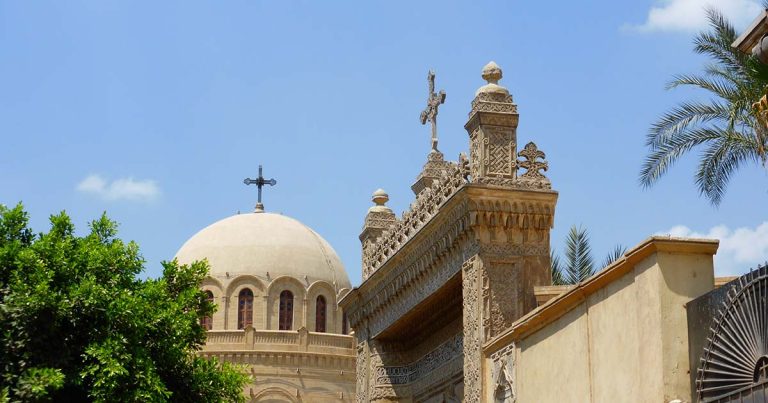
Drawing on a long history of Christian-Muslim coexistence, Anna Hager explores the nuances and complexities of interfaith relations in the Middle East
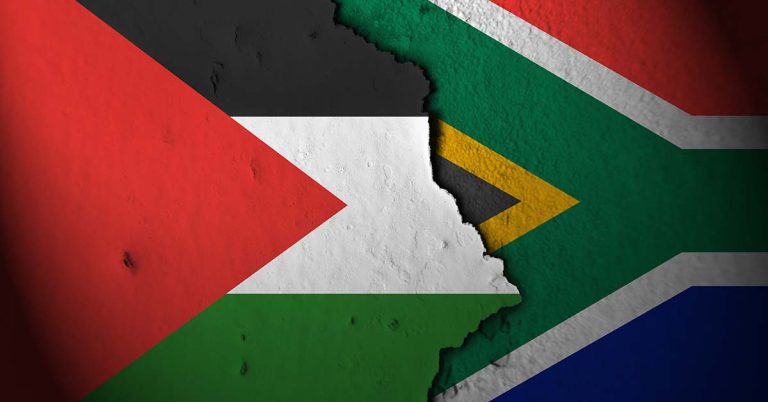
Kieron Turner treats Racial Capitalism as a crucial theoretical tool for anti-colonial Palestinian resistance
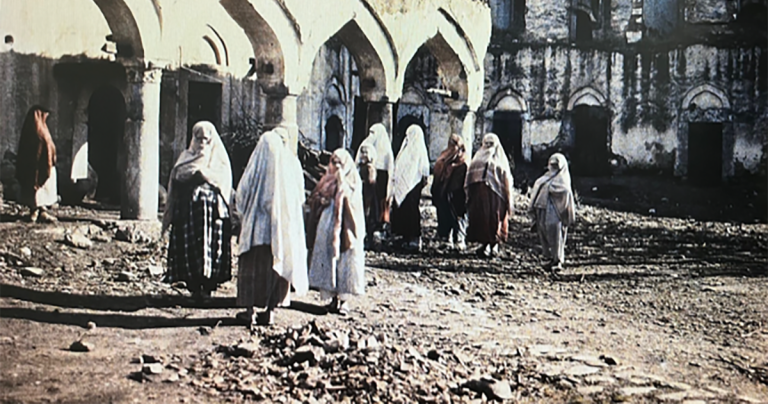
Umit Eser explores authoritarianism in post-Ottoman geographies by investigating the origins of organised violence and ethnic cleansings at the beginning of the twentieth century
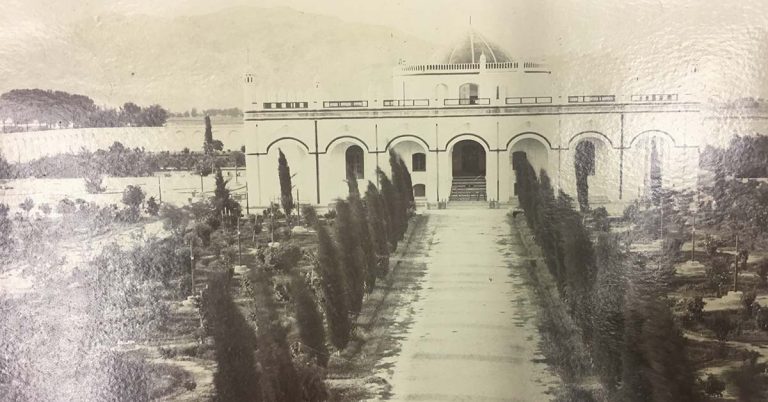
How does the telegraph function as both a material invention and an object of desire?