The Odyssey and Existentialist Anti-Adventure
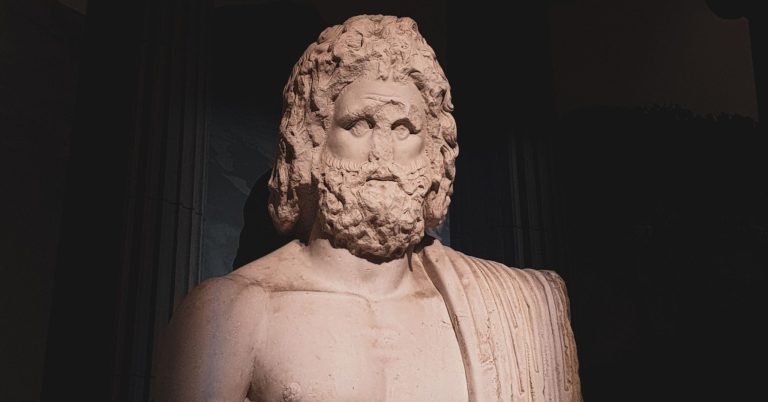
Christopher Nolan’s The Odyssey (2026) provides an interesting launching point for discussing recent developments in existentialist film-philosophy.



Christopher Nolan’s The Odyssey (2026) provides an interesting launching point for discussing recent developments in existentialist film-philosophy.
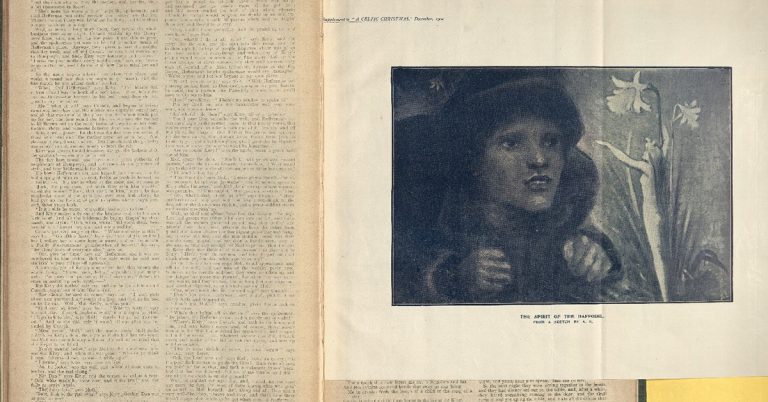
Discover six surprising facts about Irish literature, from James Joyce to forgotten writers and literary magazines.

Free is not rubbish! The Free Fringe is a key part of the Fringe's ecology, injecting a much-needed dose of authenticity.
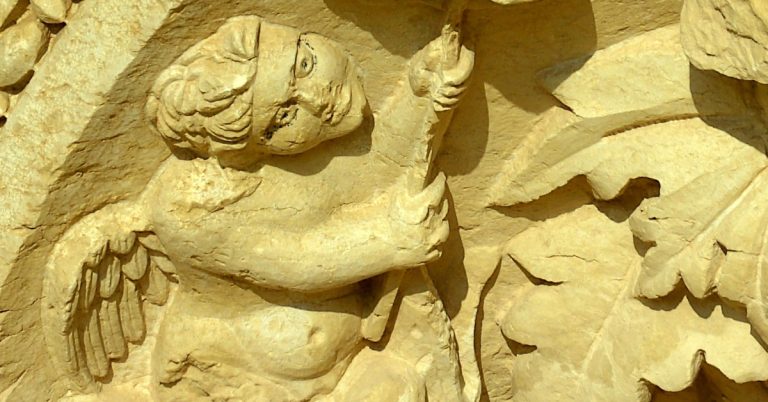
A tribute to a lifelong scholar, this blog explores the travels and research behind Coinages in the Achaemenid Empire.
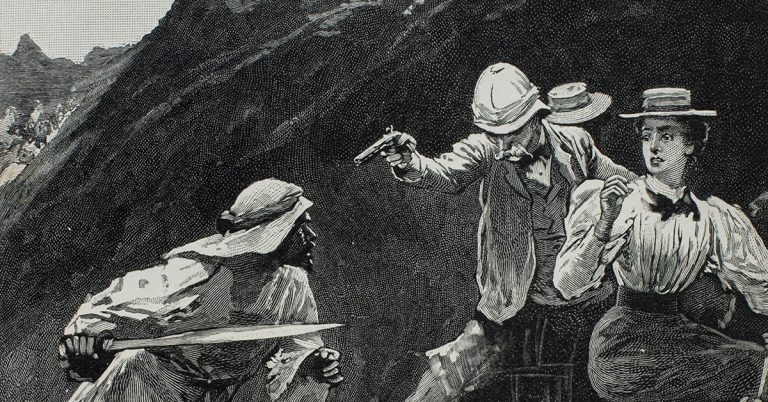
Discover how Arthur Conan Doyle’s travels in Egypt inspired his fiction, from ancient mummies and Gothic tales to imperial adventure and the supernatural.

As the FIFA World Cup 2026 unfolds, read an extract exploring the relationship between football, religion and identity in Muslim contexts.

In Spring 1997, civil servants in Edinburgh, in the pre-devolution Scottish Office (SO), faced ‘the Glasgow Problem’.

Chantelle Gray explores how Deleuzean philosophy helps us critically engage with the Manosphere.
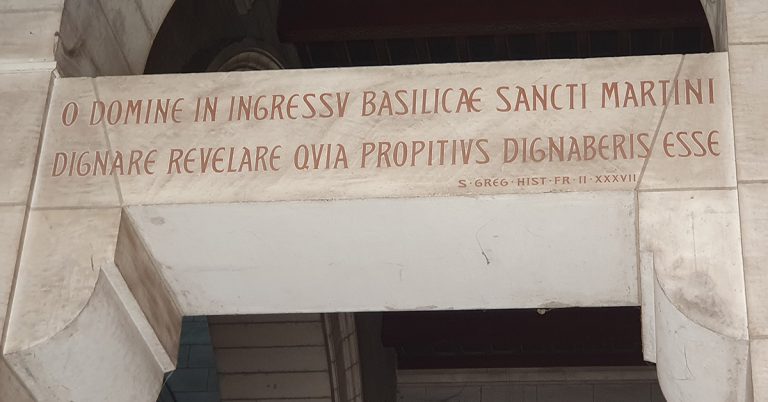
Discover 5 surprising facts about Gregory of Tours, from fishing and stargazing to fear, faith, and confronting kings in the late sixth century.
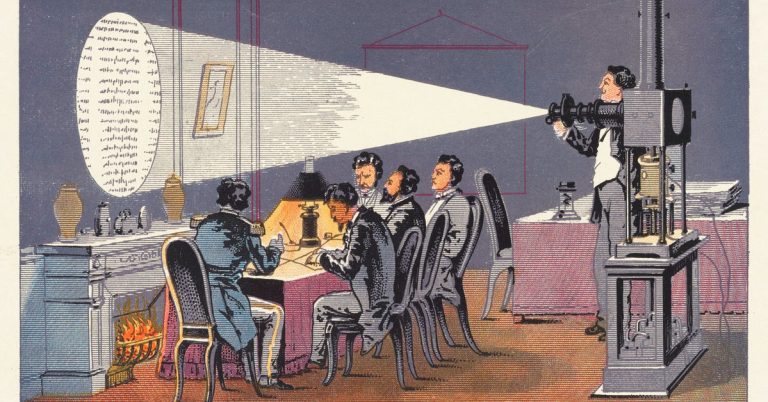
Madeleine Chalmers reveals how French philosophy, literature and theology have shaped technological thought.