

by Lisa Strömbom
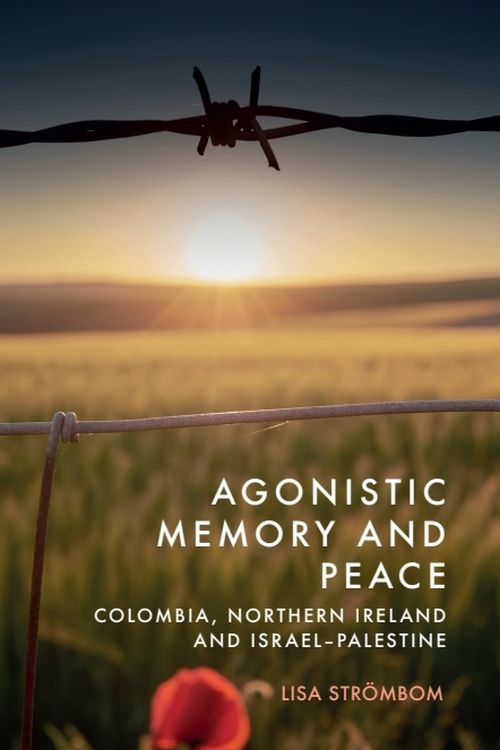
Investigates memory initiatives in three of the world’s hardest to solve conflicts and how they can be invested with more constructive dynamics
Can you tell us a bit about your book?
My book examines how societies marked by long-standing, emotionally charged conflicts grapple with the past – and how memory can be used not only to divide, but also to open new spaces for dialogue. Through case studies from Colombia, Israel‑Palestine and Northern Ireland, I explore grassroots initiatives that bring people together to juxtapose and discuss their conflicting memories of violence. Instead of seeking a single, unified narrative, these initiatives embrace disagreement and contestation, which is important yet very challenging during and in the aftermath of violent conflict which is often marked by persistent power-asymmetries.
What inspired you to research this area?
I’ve long been fascinated by the political power of memory, how stories about the past can either reinforce entrenched positions or unsettle them in productive ways. And I have been was especially drawn to groups refusing the temptation to simplify history. They do something incredibly brave: they hold open spaces where painful, contradictory memories can coexist. I wanted to understand how such work happens in practice and why it matters.
What was the most exciting thing about this project for you?
Without doubt, it was getting to talk to the people who sustain these initiatives. Many of them are working against the grain of dominant narratives in their societies, often with limited resources and in highly sensitive political environments. Their courage, creativity and determination is genuinely inspiring. Listening to them talk about why they keep going, even when progress is slow, was one of the most energising aspects of the project.
Did you discover anything particularly strange or surprising?
One of the most interesting discoveries was how much circulation matters: memories travel between individuals, groups and scales, from local dialogues to national debates and even international forums. I hadn’t fully anticipated how dynamic this movement would be, or how it can strengthen as well as hamper counter-hegemonic forces that resist simplistic or one-sided historical narratives. I was also struck by how fragile dialogue spaces can be—and how much care goes into protecting them.
Did you get exclusive access to any new or hard-to-find sources?
The core material comes from interviews with facilitators within or leaders fro organisations working directly on memory dialogues in highly polarised contexts. These aren’t sources you can simply look up; access is built on trust and long-term engagement. Many conversations were possible only because people generously invited me into their spaces and were willing to reflect openly on challenges, tensions and hopes within their work.
Did your research take you to any unexpected places or unusual situations?
Yes, both geographically and emotionally. Some dialogues took place in community centres or small local offices, others in locations where the weight of the past was almost palpable: former battle sites, neighbourhoods marked by displacement, or memorial spaces. I also found myself in conversations where people were wrestling with extremely personal memories in collective settings. Those moments were both unexpected and deeply affecting.
Has your research in this area changed the way you see the world today?
Absolutely. I’ve become much more attuned to the subtle ways societies curate their pasts and how much work it takes to keep memory from becoming a tool of exclusion or dominance. The research taught me that the presence of disagreement can indeed be a source of productive tension; it can be a sign of a healthy democratic struggle over meaning. It has also given me deep insights into how difficult this work can be, emotionally as well as practically, which has increased my admiration for the actors participating in these types of initiatives.
What’s next for you?
I’m continuing to explore how memory travels and how dialogue spaces can be safeguarded in increasingly polarised societies in my work. I’m also developing new work on dynamics of disagreement and dialogue in other settings, such as diplomacy and negotiation in local as well s global contexts. And, of course, I’m eager to keep supporting and learning from organisations doing this courageous work on the ground.
About the author
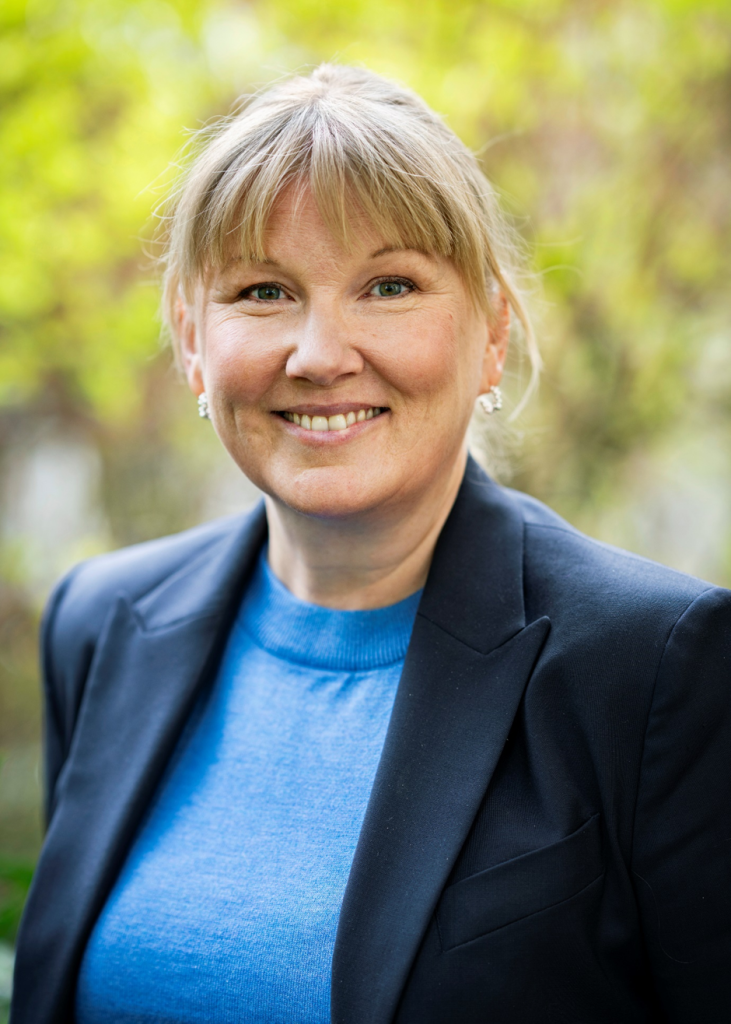
Lisa Strömbom is an Associate Professor of Political Science at Lund University and holds expertise on peace, memory politics and protracted conflicts. Her research explores how divided societies engage with contested histories, with a focus on Colombia, Israel–Palestine, and Northern Ireland. She currently participates in major projects on Swedish humanitarian engagement in Palestine and on the emergence of agonistic diplomacy in the UN arena.
Strömbom has published widely in top international journals and is the author and editor of several books on conflict transformation, identity, and divided cities. She has been widely recognised for her innovative work on agonistic peace. Her new book continues her longstanding commitment to understanding how dialogue, memory and local actors can open pathways toward to conflict transformation.