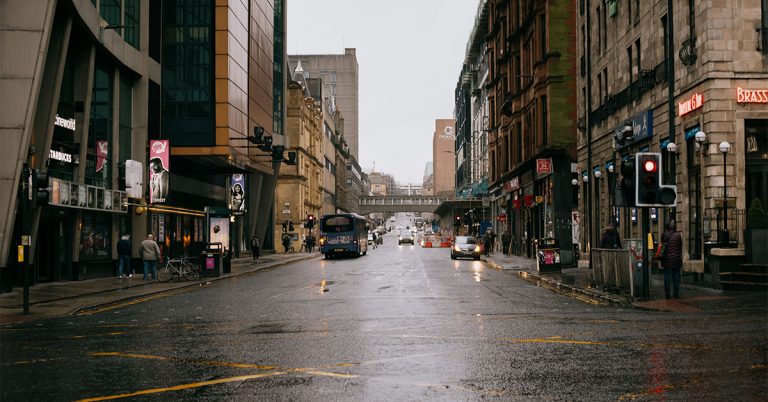
‘Lawless’ Glasgow: Urban Declinism and the Radical Right in Scotland
The conversation around Scotland’s urban decline has become more than a question of neglected streets, with the radical right turning everyday frustrations into something darker...


The conversation around Scotland’s urban decline has become more than a question of neglected streets, with the radical right turning everyday frustrations into something darker...

What does it mean to be state-less?
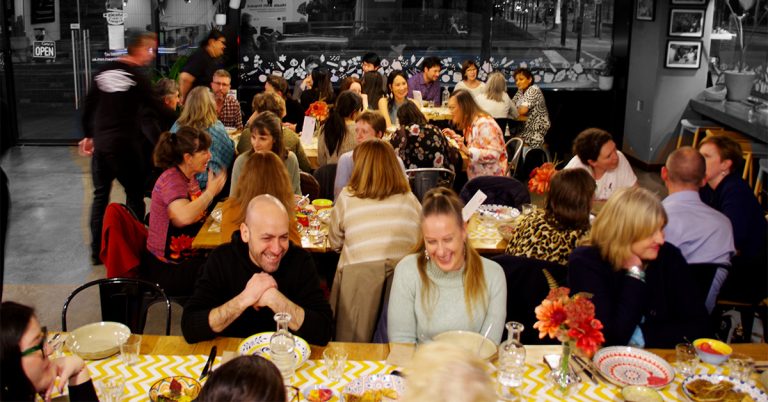
A Conversation with Dr. Elaine Pratley, author of Hungry for Peace
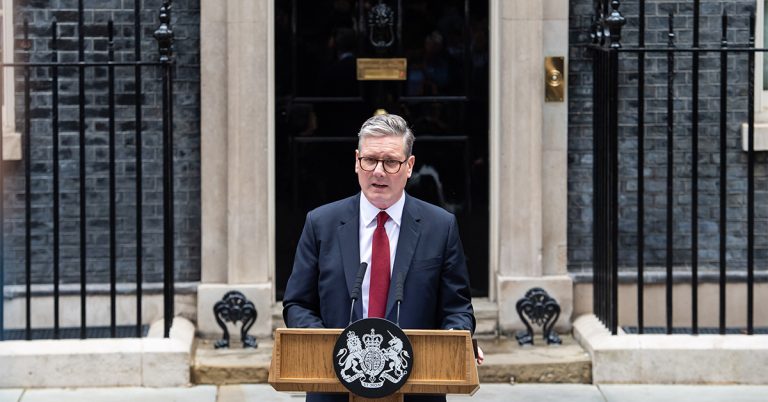
Is the role of prime minister too difficult to perform successfully?
Q&A with Lisa Strömbom, author of the book Agonistic Memory and Peace. Colombia, Northern Ireland and Israel-Palestine.
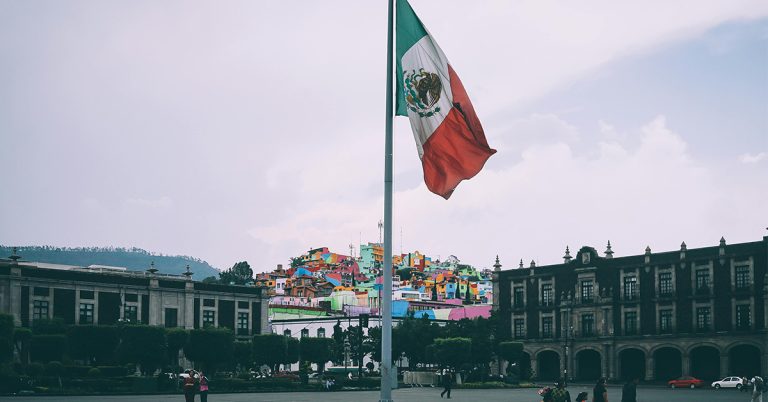
Understanding lynching as political does not excuse it. On the contrary, it sharpens the urgency of addressing it.

Thomas Telios considers common sense as a contested and performative concept shaping democratic discourse and political exclusion.
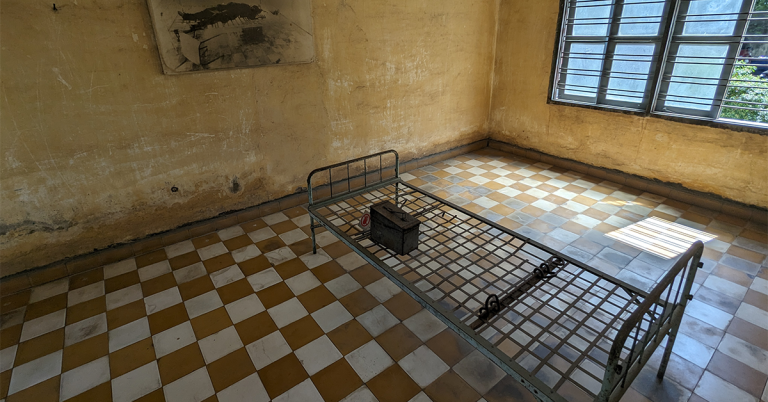
After analysing over two-hundred documentaries, Julian Koch explains how genocidal 'perpetrators' are more complex than representational schemata of violent hatred and racism suggest

Warning! Does Not Contain Spoilers