

By Dr Beth Williamson
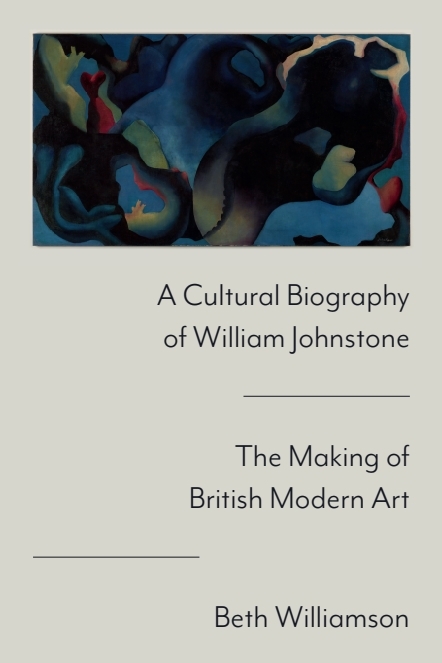
Beth Williamson tells the virtually forgotten story of pioneering educator and influential artist William Johnstone.
Tell us a bit about your book.
My book tells the story of the Scottish artist and educator William Johnstone. Born into a farming family in the Scottish Borders in 1897, Johnstone trained as a painter at Edinburgh College of Art (1919–23), travelled in Europe and America, later settling in London where he enjoyed a long and illustrious career as Principal of two major art schools. In 1960 he returned to the Borders and painted more prolifically than ever.
What inspired you to research this area?
In London, Johnstone is known as an educator, if he is known at all. In Edinburgh, he is known as a Scottish painter. I wanted to understand how these two aspects of his career informed each other.
What was the most exciting thing about this project for you?
The most exciting thing was meeting people who had known him. These personal accounts always add colour to the story.
Did you discover anything particularly strange or surprising?
He has always been known as the man who introduced part-time teaching to major London art schools and he did. But that idea came from his own art education where part-time teaching model was used in Edinburgh College of Art to keep teaching fresh and allow teachers time for their own practice.
Did you get exclusive access to any new or hard-to-find sources?
Yes. It is aways the aim to find new material. Some of that came too late to be included in the book but will hopefully be the basis of a follow-up article. What is included is a book jacket Johnstone designed and two issues of a newspaper he illustrated in 1930. None of these has been seen in publications or exhibitions previously.
Did your research take you to any unexpected places or unusual situations?
I did visit someone who had known Johnstone and we walked up to Potburn, once Johnstone’s home. That was quite special.
Has your research in this area changed the way you see the world today?
I think what I have noticed most of all during the process of this research is just how generous people are with their time and knowledge-sharing. I was especially grateful to archive and library colleagues who scanned materials and did some digging on my behalf during the pandemic when they were working in isolation in otherwise closed libraries. It was extremely collegial and encouraging.
What’s next for you?
I also write regularly about contemporary art exhibitions so I’m looking forward to having more time for that and travelling to galleries across Europe. I’m not quite sure what my next large research project will be yet.

About the author
Beth Williamson is an art historian and writer. Her research focuses on post-war British art, pedagogy and art schools. Her previous publications include Between Art Practice and Psychoanalysis Mid-Twentieth Century: Anton Ehrenweig in Context (2015).
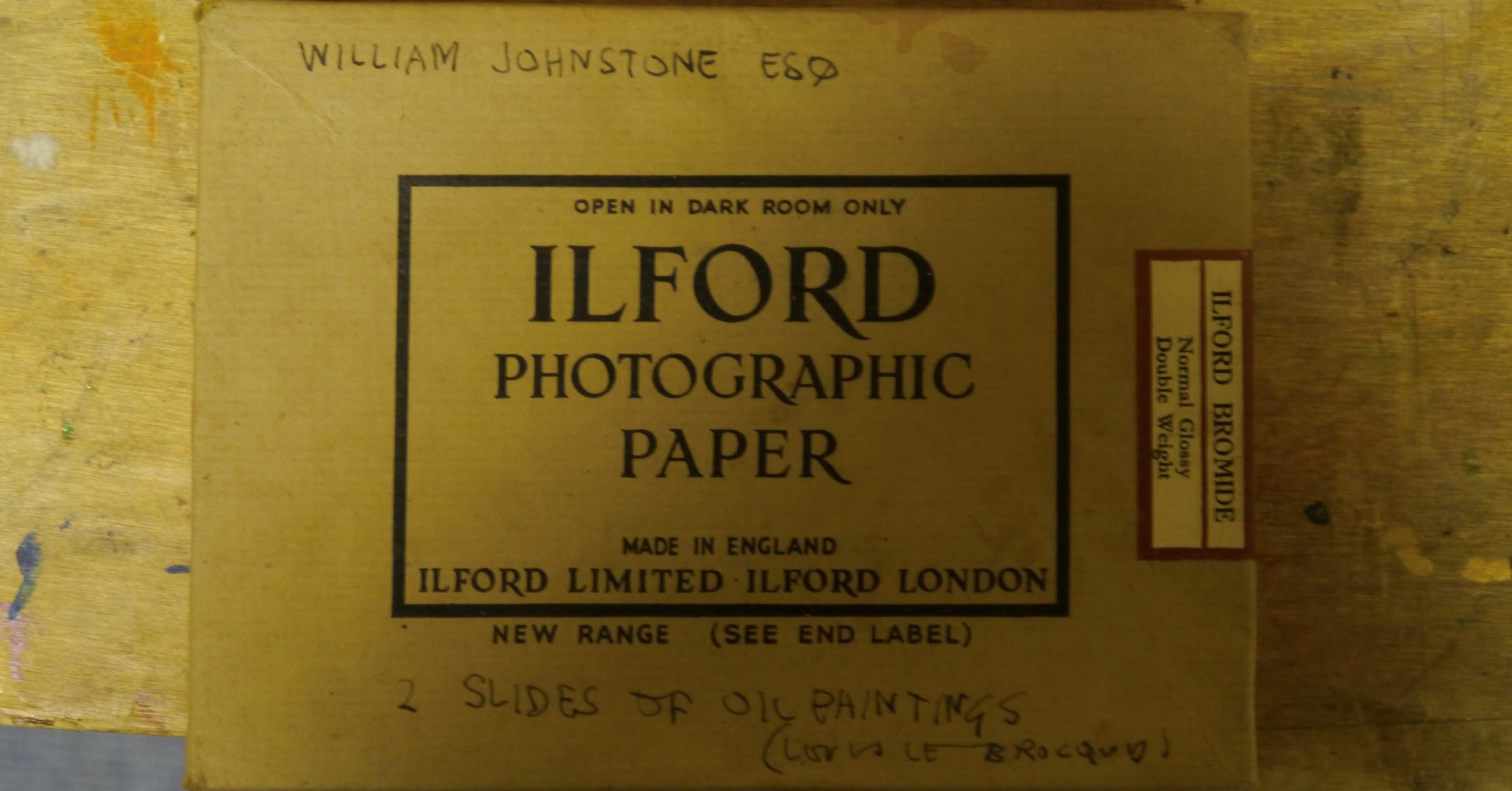
Featured image: Box of photographic paper belonging to William Johnstone. Photographed by Beth Williamson.