

by James Bundy

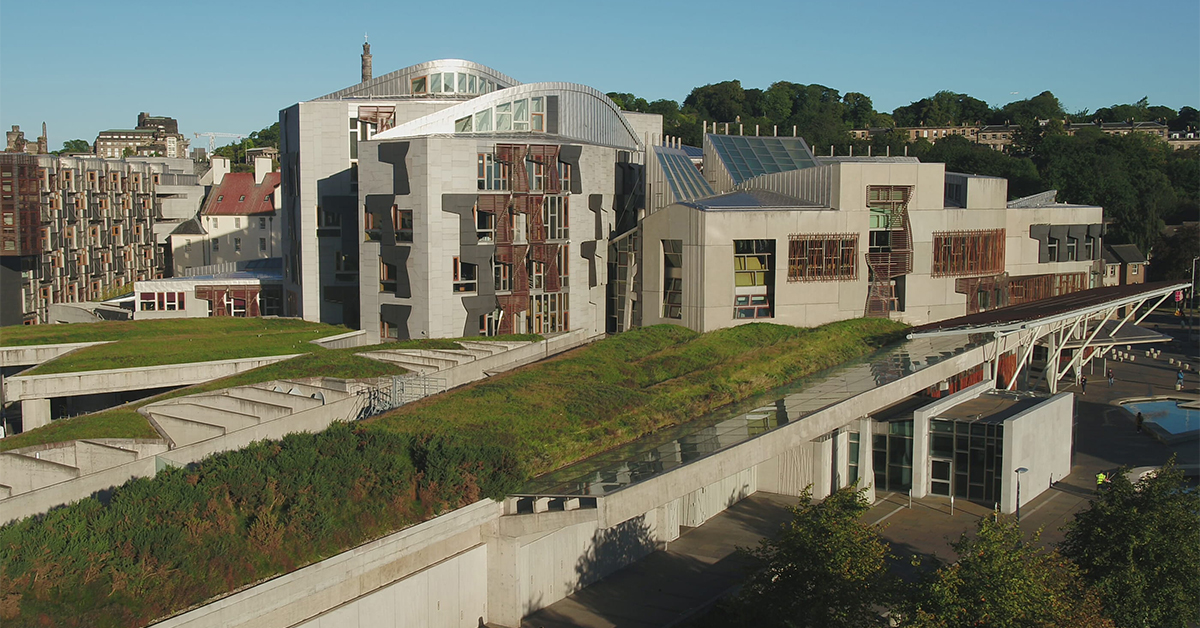
This essay critically examines the effectiveness of the Scottish Parliament in fulfilling its role of holding the Scottish Government to account.
Why We Wrote This
This essay grew out of a simple conviction that Stephen Kerr MSP and I have: the Scottish Parliament isn’t working as it should. But instead of just moaning, we wanted to explore why.
To do that fairly, we made sure to read across the spectrum, nationalist and unionist, socialist and conservative. What struck us was that disappointment runs deep on all sides.
The hope that lit up Scottish politics in 1997 has dimmed. Today, Holyrood is more often associated with frustration than with vision.
Built to Be Different
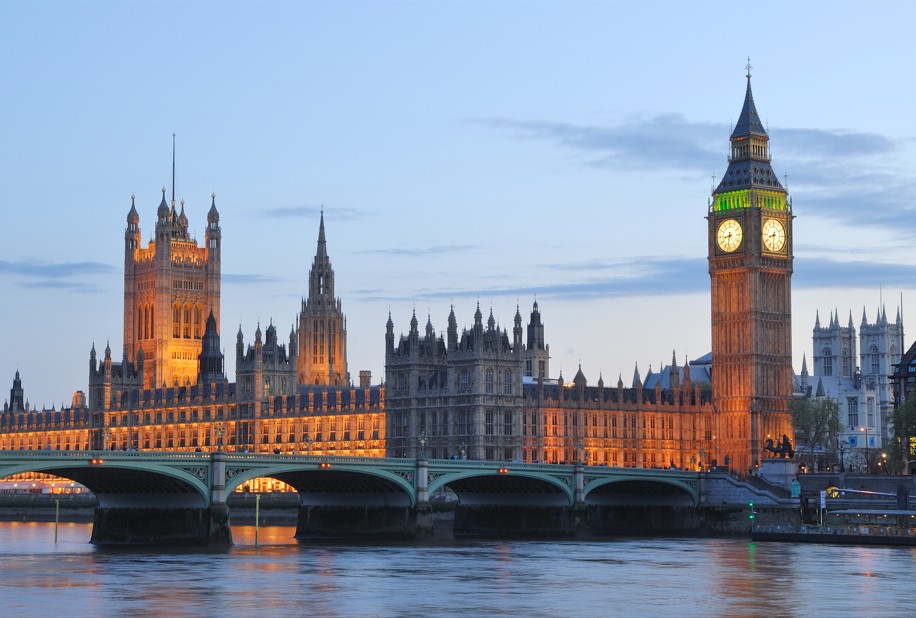
So what went wrong? A big part of the problem lies in the way the Parliament was designed. Back in the 1990s, the consensus was that if Holyrood was the opposite of Westminster, it would automatically be better. Scots wanted a Parliament shaped by Scottish traditions, which is understandable. But the drive to not be “Westminster” led to a system that put symbolism ahead of substance.
Take the committee system. At Westminster, there are separate bill committees and subject committees. Holyrood, by contrast, went for a “one-size-fits-all” model. Or look at sitting hours: Westminster has long nights, Holyrood has “family-friendly” timetables. Westminster thrives on confrontation; Holyrood promised consensus. Westminster draws on centuries of tradition; Holyrood prided itself on being modern.
The trouble is, in rejecting Westminster wholesale, Holyrood also rejected much of what Westminster does well. Instead of blending the best of both worlds, Scotland built a Parliament with built-in weaknesses.
Reality Doesn’t Match the Promise
Even if you accept the idea that being different from Westminster would guarantee success, reality has fallen short. The committees are swamped. Kate Forbes MSP has even cited the strain of parliamentary life as part of why she’s stepping back. For all the talk of consensus, our politics feels more divided now than it did when the Parliament was founded.
Inside the chamber, debates are often dull and formulaic. Too often, MSPs simply read out pre-prepared speeches without engaging with what others have said. Interventions are rare. And because of the tight scheduling, speeches can be cut to four minutes, barely time to scratch the surface of complex issues.
Worse, the Presiding Officer doesn’t decide who speaks. Party whips do. This gives huge power to party machines and leaves little space for independent voices. For a Parliament that was supposed to be different, it feels remarkably controlled from the top down.
The Westminster Attitude Without the Westminster Tools
The irony is that while Holyrood was designed to avoid Westminster’s style, it has ended up copying its worst instincts without having the tools to balance them.
The Scottish Government dominates the parliamentary timetable, just as governments do in London. But unlike Westminster, Holyrood doesn’t have strong committees or enough independent power to fight back. That leaves the Government free to steamroll its agenda.
The opposition, meanwhile, behaves like a Westminster opposition, always on the attack, rarely constructive. In a consensual system, the opposition should sometimes work with government to shape legislation.
At Holyrood, that spirit is almost entirely absent, especially between the Government and the main opposition parties. The result? A Parliament that was supposed to rise above the tribal battles of Westminster ends up stuck in the same rut, only less effective.
How Things Could Change
If Holyrood is to succeed, it needs strengthening. Committees must be more independent of party machines, chosen by secret ballot and given the resources to do their job properly. Splitting legislative scrutiny from wider policy work would help ease the pressure.
Debates need to come alive again. MSPs should be given proper speaking slots with time for interventions. The Presiding Officer, not the whips, should control who speaks. Question sessions should feel spontaneous and relevant, with sharper exchanges and less scripted routine.
Backbench MSPs also need the freedom to speak their minds, rather than being drowned out by party spokespeople. And public engagement must be front and centre. People should be able to track votes, read papers, and watch speeches easily. The Parliament’s digital tools and video streaming should make that effortless.
A Parliament Worth Believing In
When the Scottish Parliament was created, it was meant to bring politics closer to the people. Twenty-five years later, that promise feels broken. But that doesn’t mean it has to stay that way.
Scotland needs a Parliament that lives up to its purpose: committees that hold government to account, debates that matter, backbenchers who have a real voice, and a public that feels connected, not shut out.
The Scottish Parliament still has huge potential. What’s missing is the determination to make it work as it was always meant to.
About the author
James Bundy is a Scottish Conservative Councillor for Falkirk North; leads the BE FAST stroke campaign; and is co-host of the Scottish History Podcast, A Thistle with Thorns.