Skip to content
  • Cultural Studies
    • French Studies
    • Gender Studies
    • Irish Studies
    • Film and TV
    • Theatre and Dance
    • Islamic and Middle Eastern Studies
  • History
    • British History
    • Classics and Ancient History
    • Cultural History
    • Natural History
    • Religious History
    • Scottish History
    • World History
  • Language and Literature
    • Modernism
    • Literary Theory
    • Pre 19th Century Literary Studies
    • Post 19th Century Literary Studies
    • Scottish Literature
    • Atlantic Literature
    • Linguistics
  • Law
    • Comparative Law
    • European Law
    • Islamic Law
    • Roman Law
    • Scots Law
  • Politics, Philosophy and Religion
    • Religion
    • Philosophy
    • Politics
    • Political Philosophy
    • Scottish Politics
    • Film Philosophy
  • Publishing
  • About Us
  • Journals
  • Books
  • SUBSCRIBE TO OUR BLOG
Edinburgh University Press Blog
No results
  • Cultural Studies
    • French Studies
    • Gender Studies
    • Irish Studies
    • Film and TV
    • Theatre and Dance
    • Islamic and Middle Eastern Studies
  • History
    • British History
    • Classics and Ancient History
    • Cultural History
    • Natural History
    • Religious History
    • Scottish History
    • World History
  • Language and Literature
    • Modernism
    • Literary Theory
    • Pre 19th Century Literary Studies
    • Post 19th Century Literary Studies
    • Scottish Literature
    • Atlantic Literature
    • Linguistics
  • Law
    • Comparative Law
    • European Law
    • Islamic Law
    • Roman Law
    • Scots Law
  • Politics, Philosophy and Religion
    • Religion
    • Philosophy
    • Politics
    • Political Philosophy
    • Scottish Politics
    • Film Philosophy
  • Publishing
Edinburgh University Press Blog
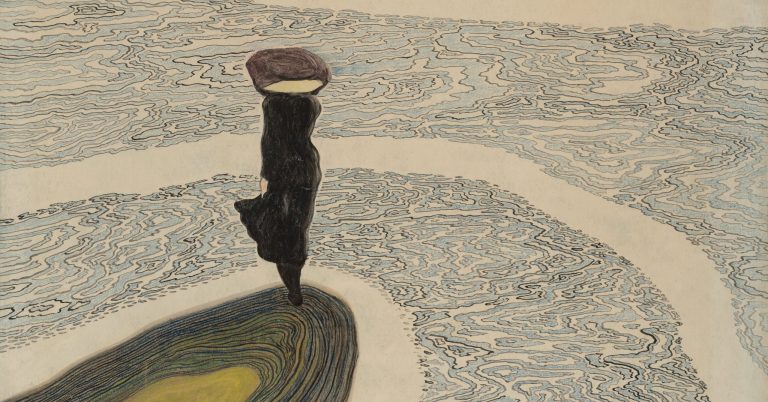
A figure of a woman standing by the shore suggesting an encounter with affective forces

5 Dimensions of Affect in Bergson’s Philosophy

Henri Bergson's philosophy reveals time as a continuous and interconnected melody.

  • Edinburgh University Press
  • March 11, 2026

Q&A with Ruth M. McAdams, author of Temporality and Progress in Victorian Literature

by Ruth M. McAdams Tell us a bit about your book. Temporality and Progress in Victorian Literature is about what happened when Victorians looked around for signs of the historical progress that was allegedly taking place on a broad scale.…
  • Edinburgh University Press
  • January 18, 2025

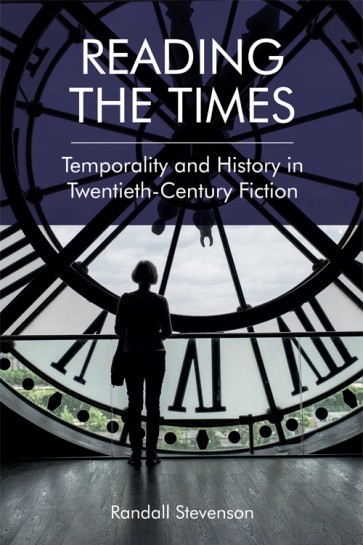
Reading the Times: Temporality and History in Twentieth-Century Fiction

By Randall Stevenson On Bastille Day, 2000, why did 3 million people sit down to a picnic lunch along a line carefully set out across the whole of France, from north to south? Mostly, to remember and celebrate the Paris…

  • Carla Hepburn
  • January 25, 2018

Popular posts

June 2, 2026

Sudden Changes in Global Order — From Ancient to Early Modern Iran and Beyond

June 4, 2026

How did the revenue men once invest in slavery?

June 1, 2026

Structural Bias, Education Reform, and Victorian Women’s Poetry

May 25, 2026

Henry Somers-Hall interviewed by Brent Adkins: Reading A Thousand Plateaus

May 19, 2026

From Multiple Possible Worlds to Fission-Fusion Experience

Archives

Subscribe to blog via email

Enter your email address to subscribe to this blog and receive notifications of new posts by email.

Copyright © 2026 - Edinburgh University Press | All Right Reserved. | Privacy Policy