
-
Autopoietic Machines
Read more: Autopoietic MachinesRethinks the concept of power in relation to an emerging form - sensory power


Rethinks the concept of power in relation to an emerging form - sensory power

By Brigitte Nelrich Note: This blog article has been reused with kind permission from the author. The original post can be found on the University of Nottingham blog. Almost 20 years ago, I was working at the Institute for Science and…
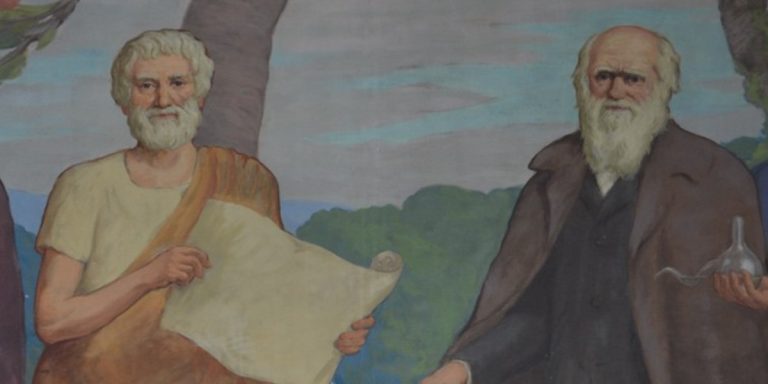
By Anne Siebels Peterson Aristotle did not merely engage widely in natural science. He articulated the distinctive methods and principles that should guide one in seeking explanations of nature, and distinguished these methods and principles from those used in other…

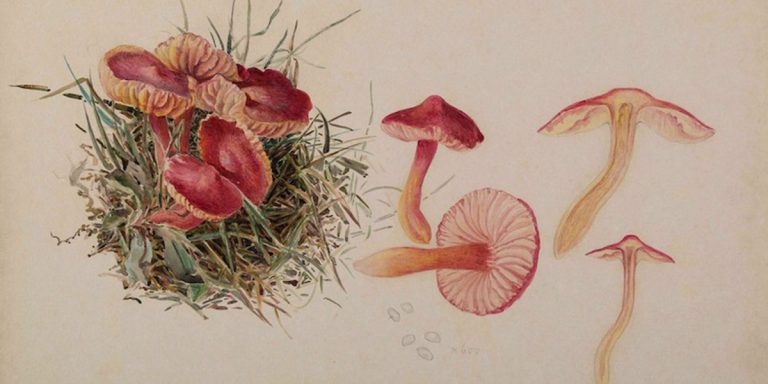
Once known primarily as the author of ‘twee’ children’s books about fastidious mice and naughty rabbits, Beatrix Potter has gained recognition in recent years for her wide-ranging accomplishments as a conservationist, mycologist and scientific illustrator. In the 1890s, before embarking…

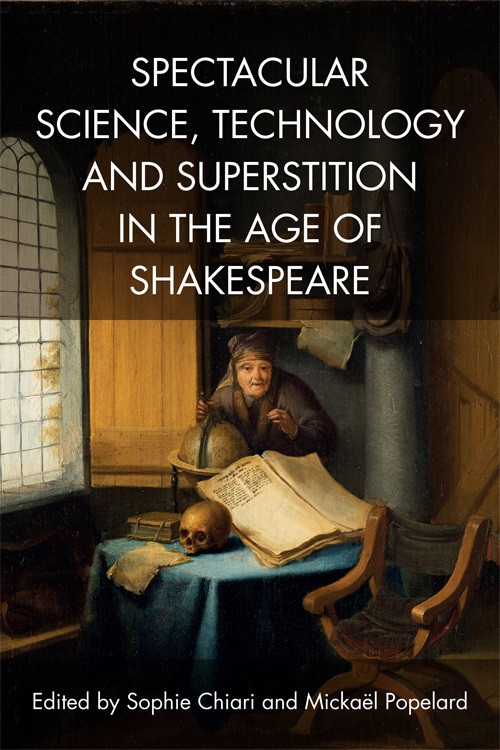
By Sophie Chiari and Mickaël Popelard The second part of our quiz poses another 14 questions on Shakespeare and science. Missed the first part? Check it out here. How often does Shakespeare refer to atomism in his plays? Page 123, Jonathan Pollock:…

By Sophie Chiari and Mickaël Popelard In this two part quiz, the editors of new book Spectacular Science, Technology and Superstition in the Age of Shakespeare pose some interesting questions in relation to Shakespeare and science and go on to quote from…

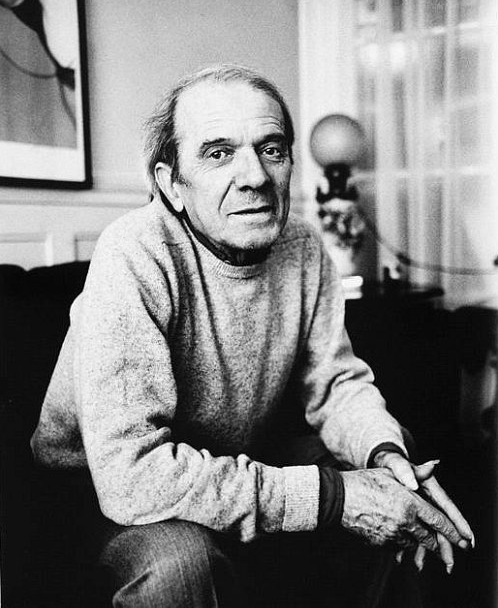
At the beginning of the book What Is Philosophy? written by Gilles Deleuze in collaboration with Felix Guattari, the authors assert that “the time has come for us to ask what philosophy is”. They explicitly dismiss any hierarchy of the…