Skip to content
  • Cultural Studies
    • French Studies
    • Gender Studies
    • Irish Studies
    • Film and TV
    • Theatre and Dance
    • Islamic and Middle Eastern Studies
  • History
    • British History
    • Classics and Ancient History
    • Cultural History
    • Natural History
    • Religious History
    • Scottish History
    • World History
  • Language and Literature
    • Modernism
    • Literary Theory
    • Pre 19th Century Literary Studies
    • Post 19th Century Literary Studies
    • Scottish Literature
    • Atlantic Literature
    • Linguistics
  • Law
    • Comparative Law
    • European Law
    • Islamic Law
    • Roman Law
    • Scots Law
  • Politics, Philosophy and Religion
    • Religion
    • Philosophy
    • Politics
    • Political Philosophy
    • Scottish Politics
    • Film Philosophy
  • Publishing

  • About Us
  • Journals
  • Books
  • SUBSCRIBE TO OUR BLOG
Edinburgh University Press Blog

No results
  • Cultural Studies
    • French Studies
    • Gender Studies
    • Irish Studies
    • Film and TV
    • Theatre and Dance
    • Islamic and Middle Eastern Studies
  • History
    • British History
    • Classics and Ancient History
    • Cultural History
    • Natural History
    • Religious History
    • Scottish History
    • World History
  • Language and Literature
    • Modernism
    • Literary Theory
    • Pre 19th Century Literary Studies
    • Post 19th Century Literary Studies
    • Scottish Literature
    • Atlantic Literature
    • Linguistics
  • Law
    • Comparative Law
    • European Law
    • Islamic Law
    • Roman Law
    • Scots Law
  • Politics, Philosophy and Religion
    • Religion
    • Philosophy
    • Politics
    • Political Philosophy
    • Scottish Politics
    • Film Philosophy
  • Publishing
  • Interview with Maggie Humm

    Maggie Humm reflects on feminist criticism, life-writing, and Virginia Woolf’s influence.

    April 17, 2026
    Read more: Interview with Maggie Humm

Interview with Maggie Humm

Maggie Humm reflects on feminist criticism, life-writing, and Virginia Woolf’s influence.

  • Edinburgh University Press
  • April 17, 2026
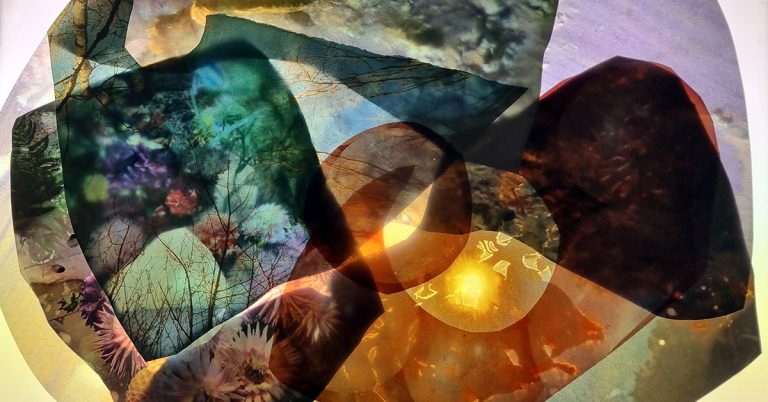
a colourful collage of fragments of overlapping abstract photographs of plants, water and rocks. The colours give the feeling of iridescence.

What is extra in the ordinary, and why is the intimate often strange?

Eret Talviste explores Virginia Woolf and Jean Rhys through scenes of solitude and ordinary freedom.
  • Edinburgh University Press
  • January 19, 2026

Q&A with Françoise Vergès on Decolonial Feminism

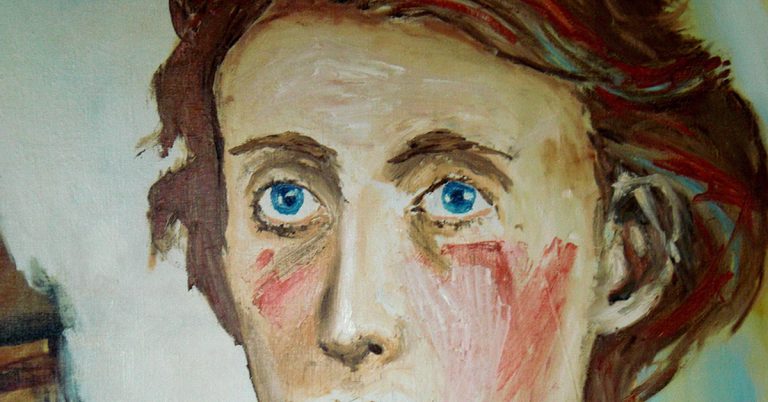
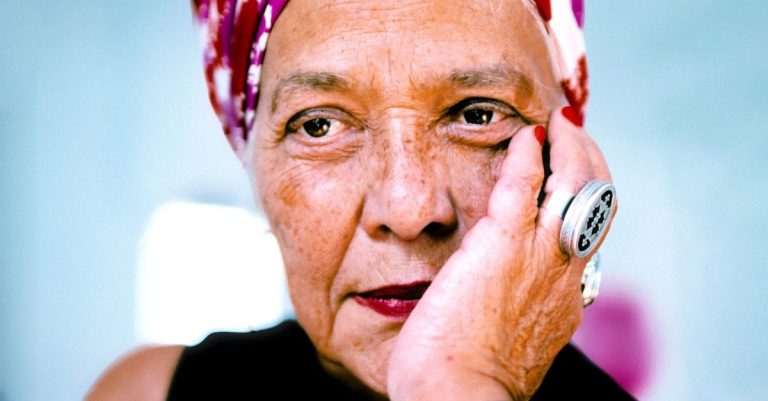
Françoise Vergès reflects on the space she wanted to create and help to hold open for feminists and workers of colour.
  • Edinburgh University Press
  • August 27, 2025

Feminized Work and the Labor of Literature: Q&A with the editor

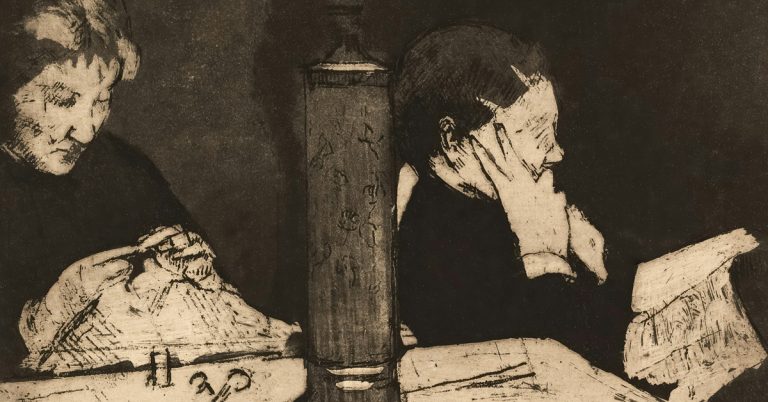
Emily J. Hogg explores the creation of Feminized Work and the Labor of Literature, a collection on literary representations of ‘women’s work’.
  • Edinburgh University Press
  • June 10, 2025

Q&A with the author of Whiteness, Feminism and the Absurd in Contemporary British and US Poetry

A Q&A with Jenna Clake, author of Whiteness, Feminism and the Absurd in Contemporary British and US Poetry.
  • Edinburgh University Press
  • February 21, 2025
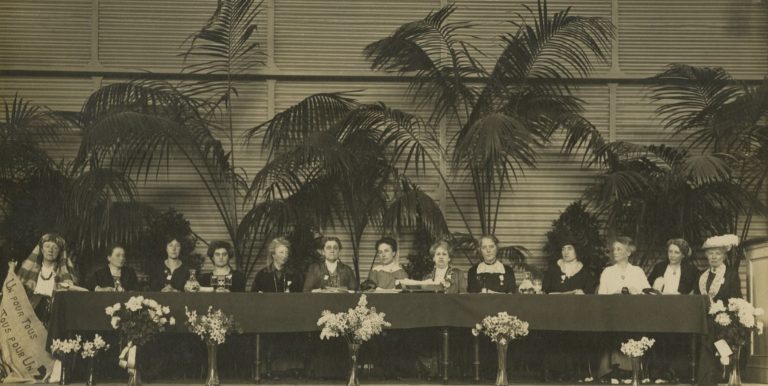
Black and white image of 13 women sitting at a conference-style table. One holds a banner with text reading 'Un pour tous, Tous pour un' - the French for 'one for all, all for one'.

Chrystal Macmillan: champion for women’s equality, peace and justice

Meet a key figure of the women's movement of the late nineteenth and early twentieth century.
  • Edinburgh University Press
  • November 4, 2024
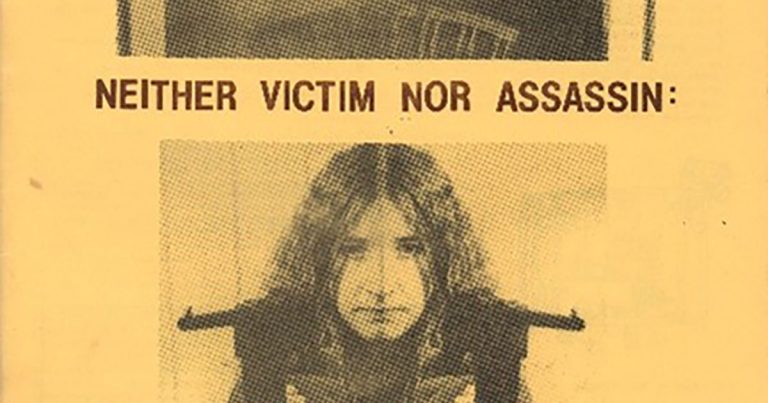
A portion of an aged magazine clipping shows a woman pointing two guns towards the viewer, with the words 'neither victim nor assassin' above

Should we compare the violence of rape, war, racism, and ecocide?

…pacifist feminists have long argued we must by Selina Gallo-Cruz Content warning: mentions of rape and sexual harassment Rape, war, racism, ecocide: a litany of violence. Are they comparable—and, if so, should they be compared? Across generations, feminist pacifists have…
  • Edinburgh University Press
  • June 13, 2024

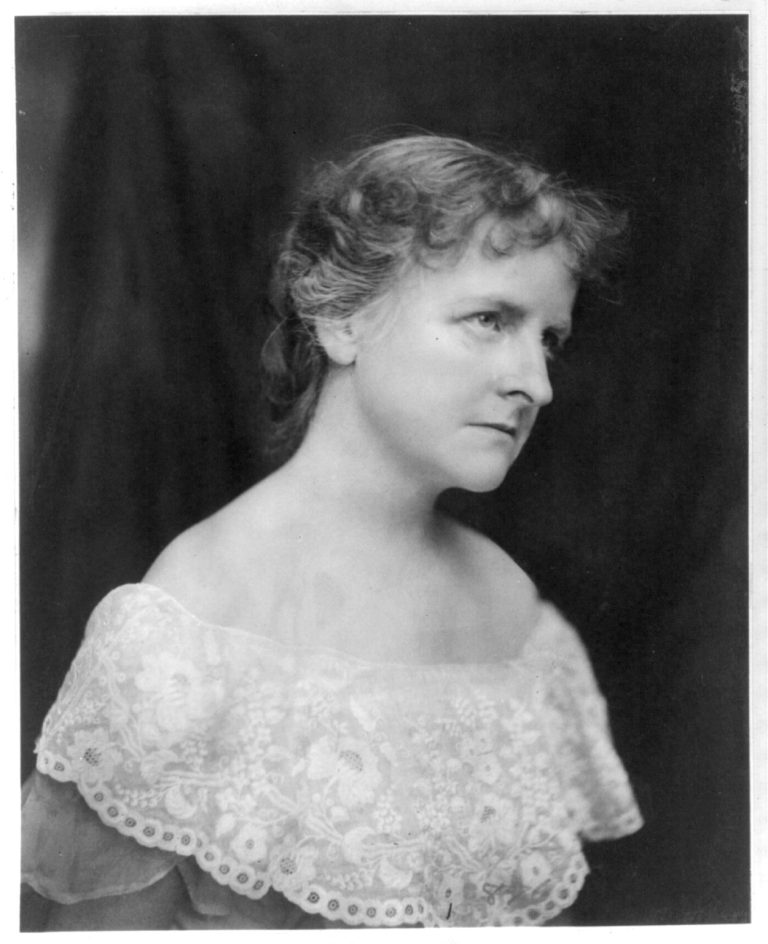
Five Reasons to Read Mary E. Wilkins Freeman Today

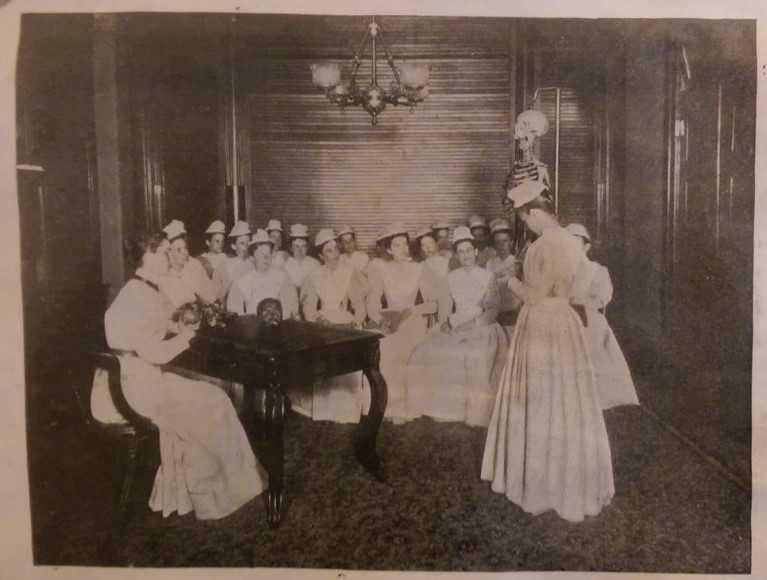
by Stephanie Palmer, Myrto Drizou, and Cécile Roudeau The US author Mary E. Wilkins Freeman (1852-1930) is best known, read and taught as the author of short regionalist fiction set largely in rural New England, a region she depicts in…
  • Edinburgh University Press
  • March 27, 2023

The Woman Writer’s Playbook to Fighting Censorship    

This isn’t The Handmaid’s Tale. It’s Brave New World. But without soma.

  • Kirsty Crosbie
  • September 9, 2022
1 2
Next

Popular Posts

Interview with Maggie Humm

Stone gargoyle perched on Notre-Dame Cathedral overlooking the dense rooftops of Paris, with the Seine River running alongside the city and the Eiffel Tower visible in the distance beneath a dramatic, cloud-filled sky.

Q&A on French Horror

A dimly lit movie theater filled with seated audience members facing a large, brightly glowing screen. Rows of red upholstered seats extend toward the front, and the ceiling features curved architectural details with recessed panels. The atmosphere suggests a film screening in progress.

Five of the most unusual Sunday Opening conditions

Standing on the Shoulders of Giants: From William Still’s Underground Railroad Records to Digital Analysis

Beyond ‘girlboss feminism’: queering Irish women’s writing

Subscribe To Blog Via Email

Enter your email address to subscribe to this blog and receive notifications of new posts by email.

Copyright © 2026 - Edinburgh University Press | All Right Reserved. | Privacy Policy