Skip to content
  • Cultural Studies
    • French Studies
    • Gender Studies
    • Irish Studies
    • Film and TV
    • Theatre and Dance
    • Islamic and Middle Eastern Studies
  • History
    • British History
    • Classics and Ancient History
    • Cultural History
    • Natural History
    • Religious History
    • Scottish History
    • World History
  • Language and Literature
    • Modernism
    • Literary Theory
    • Pre 19th Century Literary Studies
    • Post 19th Century Literary Studies
    • Scottish Literature
    • Atlantic Literature
    • Linguistics
  • Law
    • Comparative Law
    • European Law
    • Islamic Law
    • Roman Law
    • Scots Law
  • Politics, Philosophy and Religion
    • Religion
    • Philosophy
    • Politics
    • Political Philosophy
    • Scottish Politics
    • Film Philosophy
  • Publishing

  • About Us
  • Journals
  • Books
  • SUBSCRIBE TO OUR BLOG
Edinburgh University Press Blog

No results
  • Cultural Studies
    • French Studies
    • Gender Studies
    • Irish Studies
    • Film and TV
    • Theatre and Dance
    • Islamic and Middle Eastern Studies
  • History
    • British History
    • Classics and Ancient History
    • Cultural History
    • Natural History
    • Religious History
    • Scottish History
    • World History
  • Language and Literature
    • Modernism
    • Literary Theory
    • Pre 19th Century Literary Studies
    • Post 19th Century Literary Studies
    • Scottish Literature
    • Atlantic Literature
    • Linguistics
  • Law
    • Comparative Law
    • European Law
    • Islamic Law
    • Roman Law
    • Scots Law
  • Politics, Philosophy and Religion
    • Religion
    • Philosophy
    • Politics
    • Political Philosophy
    • Scottish Politics
    • Film Philosophy
  • Publishing
  • Shame in Contemporary You-Narration: Q&A with the author

    Denise Wong discusses Shame in Contemporary You-Narration, exploring second-person storytelling, shame, temporality, and narrative experimentation across literature and media.

    February 11, 2026
    Read more: Shame in Contemporary You-Narration: Q&A with the author

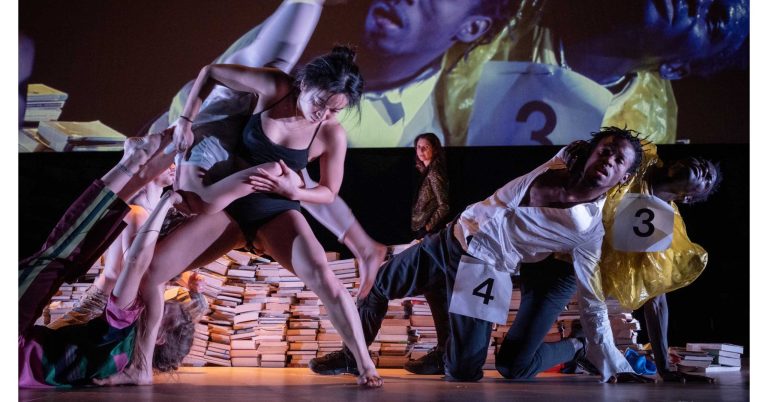
A culturally diverse group of dancers performs among piles of books. They wear costumes with large numbers pinned to them, suggesting an audition or competition. Their movements are dynamic and physical, with one dancer holding another’s leg as others lean and bend in varied, expressive poses.

5 ways to (un)teach the canon

Annelies Van Assche explores five innovative ways to challenge the dance canon and expand beyond Eurocentric narratives.


  • Edinburgh University Press
  • January 6, 2026

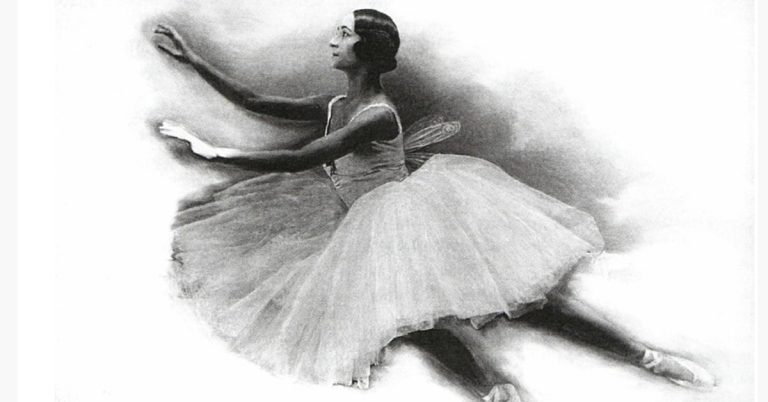
‘Beware of the ninnies!’ – Thoughts on ballet history

Sebastian Cody explores the challenges of ballet historiography, emphasising the need for rigorous scholarship amidst widespread inaccuracies
  • Edinburgh University Press
  • November 14, 2024
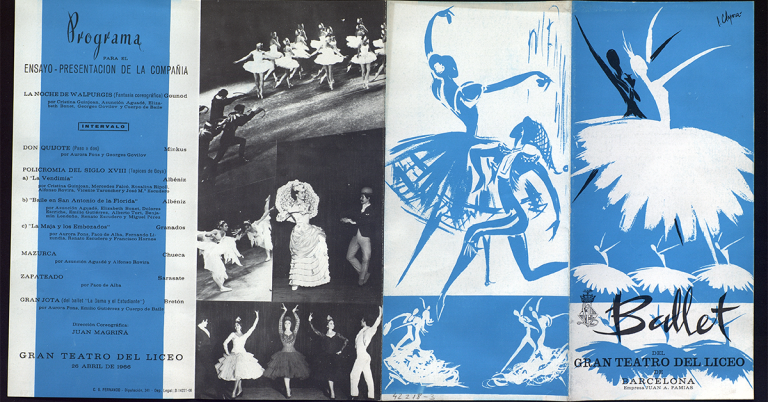
A spread of images and drawings of ballerinas

Lost in translation: The influence of André Levinson and Arnold Haskell in Spain

by Ana Abad-Carlés and Marina Peñaranda-Abad Our article for Dance Research 41(2) came to us in a very serendipitous way, when we saw that the Prologue to the Spanish edition of Serge Lifar’s book La Danse had been written by…

  • Edinburgh University Press
  • March 11, 2024

Popular Posts

Shame in Contemporary You-Narration: Q&A with the author

A sepia-toned 18th-century printed broadside titled “TRANSPORTED FOR SEDITION.” The design features ornate borders and three oval engravings of men in period clothing holding papers. Text around the portraits names individuals convicted of sedition and sentenced to transportation (penal exile), including references to courts and dates in the early 1800s. The overall style is decorative and historical, resembling a political or legal proclamation from Britain.

The Scottish Martyrs and the antagonisms between Scots Law and British penal practice

Stone statue viewed from behind beneath tall Gothic arches and dark stone columns, framing a bright blue sky with clouds

The Future of Scottish Higher Education

5 Things You Didn’t Know about Milton and Disability

Emperor Justinian and court officials in a colourful mosaic, Gothic soldiers on the left side.

Barbarians as the Religious Other in the Late Roman World: Q&A with the author

Subscribe To Blog Via Email

Enter your email address to subscribe to this blog and receive notifications of new posts by email.

Copyright © 2026 - Edinburgh University Press | All Right Reserved. | Privacy Policy