Five things you (probably) didn’t know about crossroads
Bill Angus tells us five things you (probably) didn't know about crossroads.


Bill Angus tells us five things you (probably) didn't know about crossroads.
In this interview, author and archaeologist Warwick Ball discusses his travels and research that led to his new book, The Eurasian Steppe. Can you tell us a bit about The Eurasian Steppe? The book started life many years ago as…
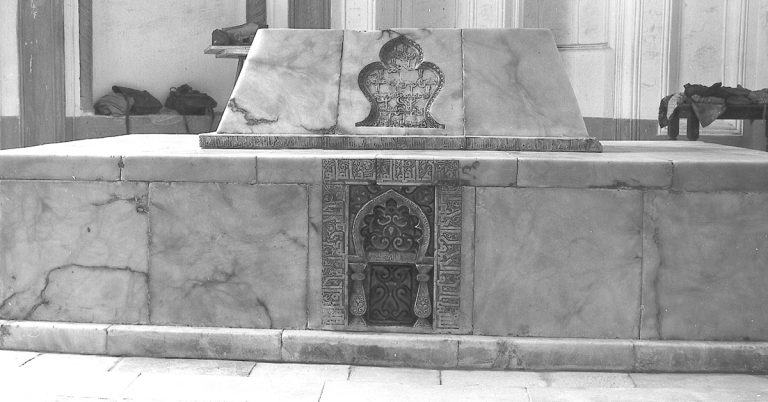
By Viola Allegranzi Located in present-day Afghanistan, Ghazni was once a prosperous commercial and cultural centre at the crossroads of Iranian, Central Asian and Indian regions. Under the rule of the Ghaznavid dynasty (r. 977-1186), the city was home to…
By Stuart Gillespie I was one of the two founding editors of this journal in 1992. Anyone involved with a publication for this long will have travelled far, and when I look back over the thirty-year lifespan of Translation and…
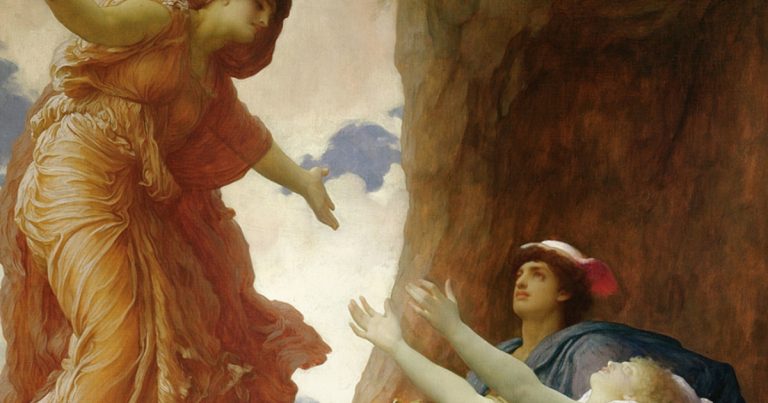
By Virginie Trachsler The young Persephone is gathering flowers in a meadow when her uncle Hades, god of the underworld, rises through a crack in the earth and abducts her on his golden chariot. Her mother Ceres wanders the earth…
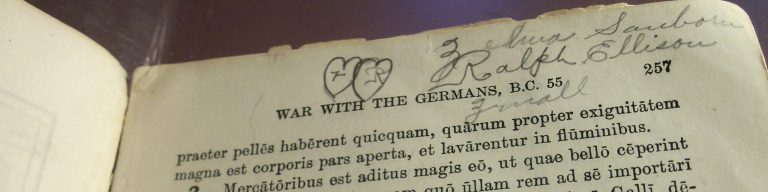
By Tessa Roynon In recent weeks, the U.S. Capitol in Washington D.C. has been much in the public eye. Whether stormed by President Trump’s supporters on 6th January, or as the “hallowed ground” that formed the backdrop to President Biden’s…
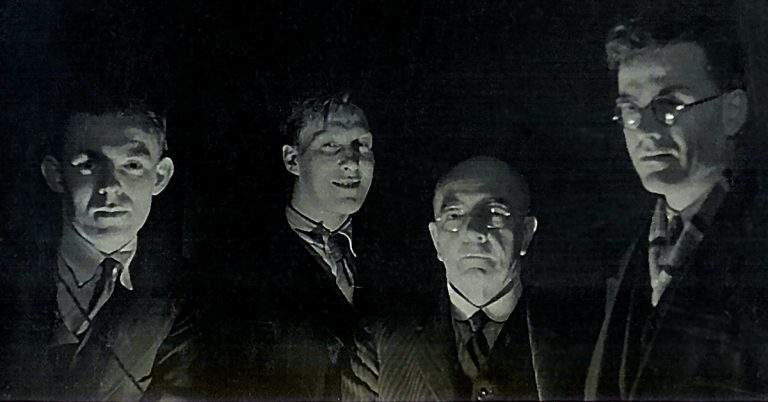
By Kenny Brophy Decades before Instagram, YouTube, TikTok, and Twitter, to be an influencer involved analogue methods, persistence, and very, very hard work. Research over the last few years into the eccentric Glasgow-based amateur archaeologist, antiquarian and insurance broker, Ludovic…
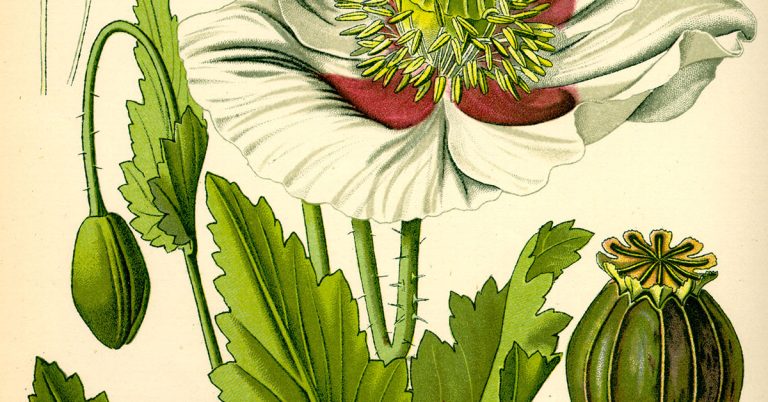
By Sara Peterson In recent years, the cultivation of opium poppies in Afghanistan has become a news item, with reports from the United Nations and the United States Government documenting record highs (no pun intended) in opium production. Now we…
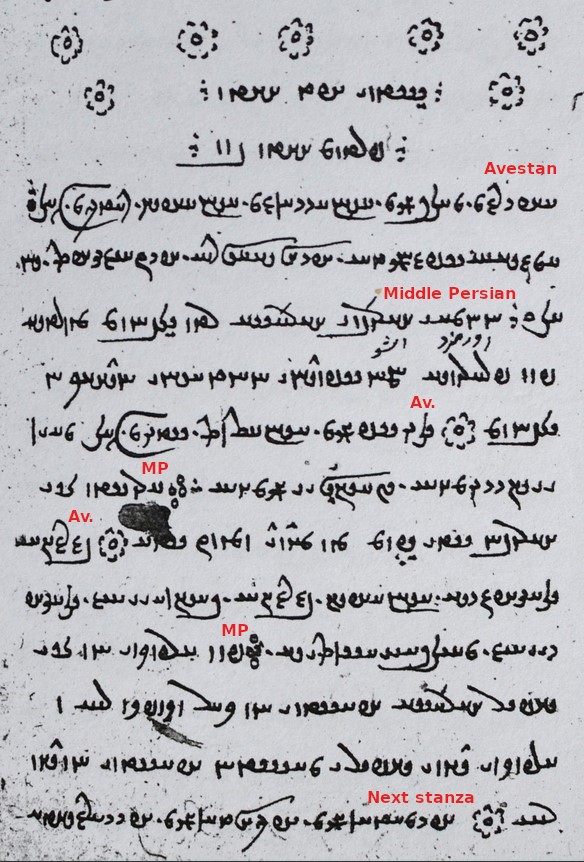
The oldest layers of the surviving Zoroastrian texts are in Avestan language and commonly dated to the middle of the second millennium BCE. Exact dates and circumstances of composition, however, remain uncertain, so that little is known about the socio-political context from which these texts emerged. After two millennia of oral transmission, the texts were finally committed to writing, at a time when the language must have no longer been in active use.