
by Robin Campbell
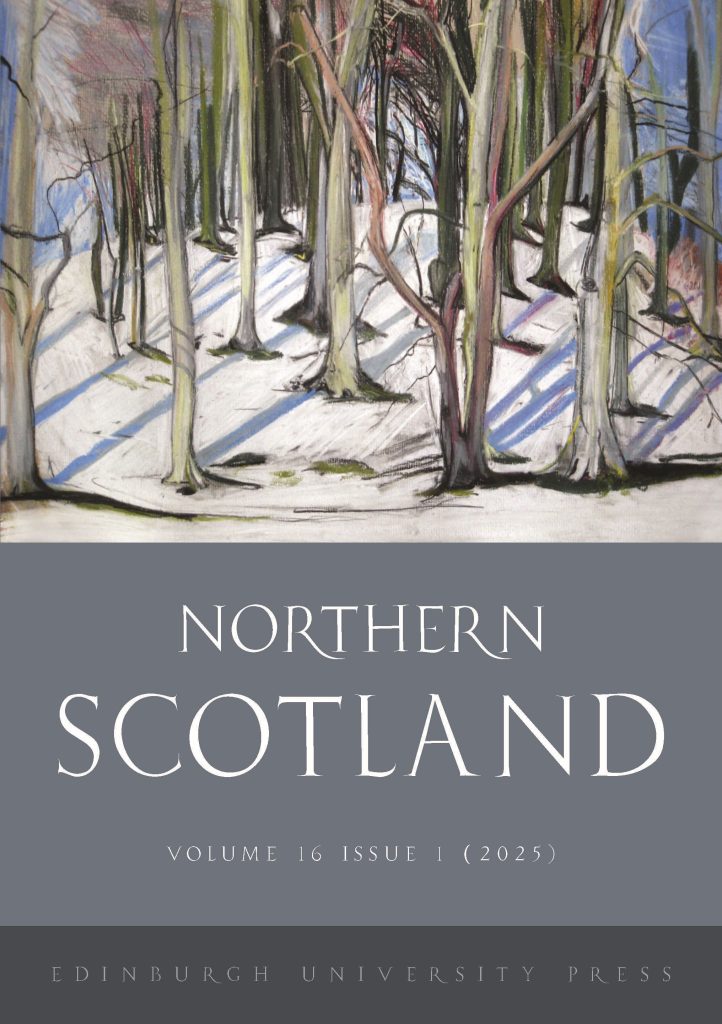
This is the first major study to examine in depth the recruitment, role and responsibilities of estate ground officers across the Gàidhealtachd.
This is the first major study of estate ground officers across the Gàidhealtachd (Highlands & Islands) and reveals their recruitment, duties and surprising influence from the Clearances to the early twentieth century.
When we tell the story of the Highland Clearances, names like Patrick Sellar associated with the Clearances on the Sutherland estate and other notorious factors come easily to mind. The men who stood lower down the estate hierarchy, the ground officers who walked the townships, kept the books, supervised labour and sometimes decided who stayed or left on the emigrant ships to Canada, Australia and beyond, have been largely invisible. This landmark study changes that.
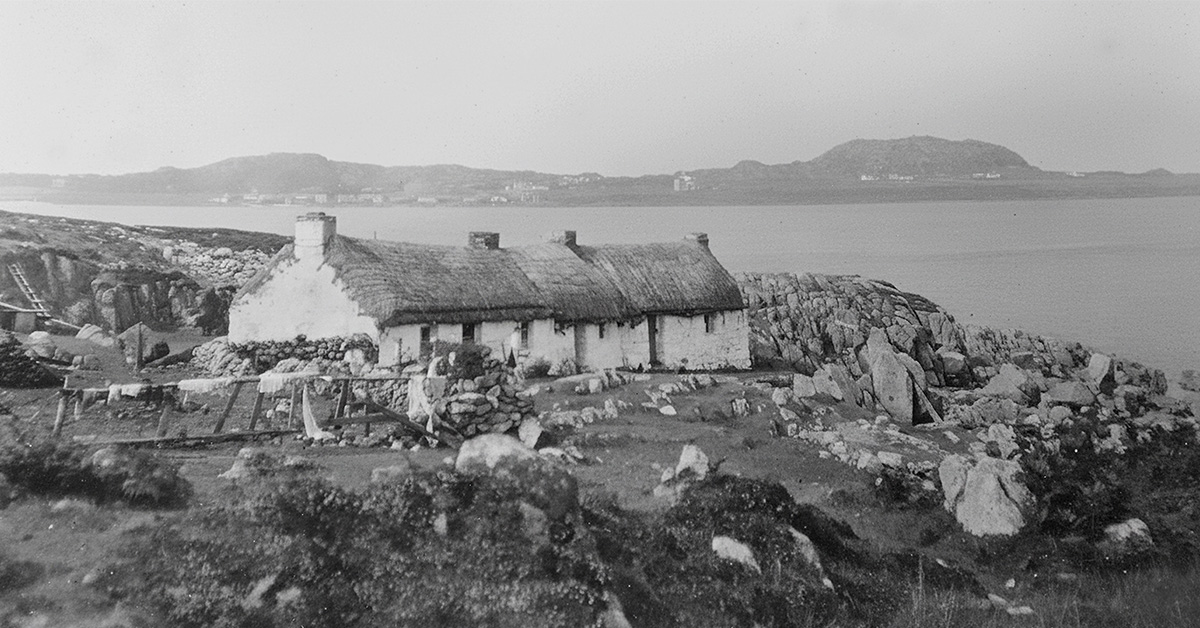
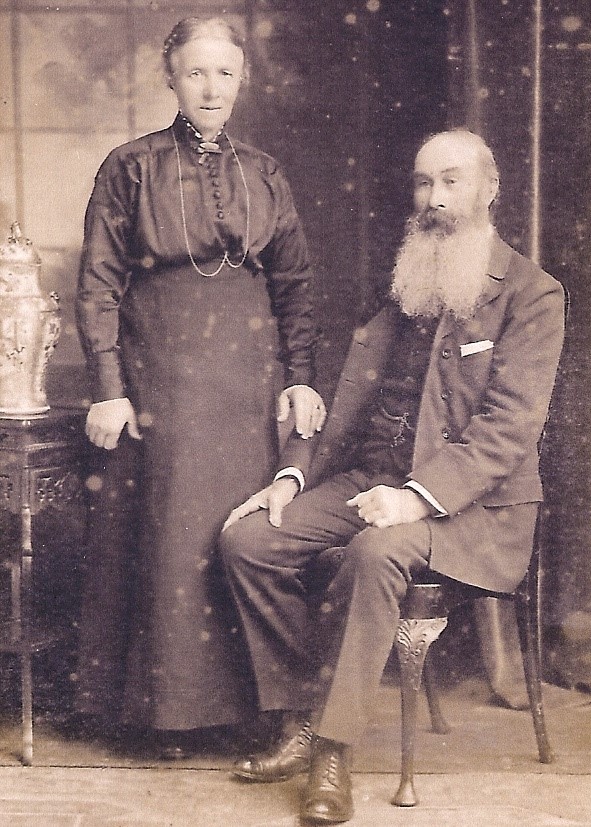
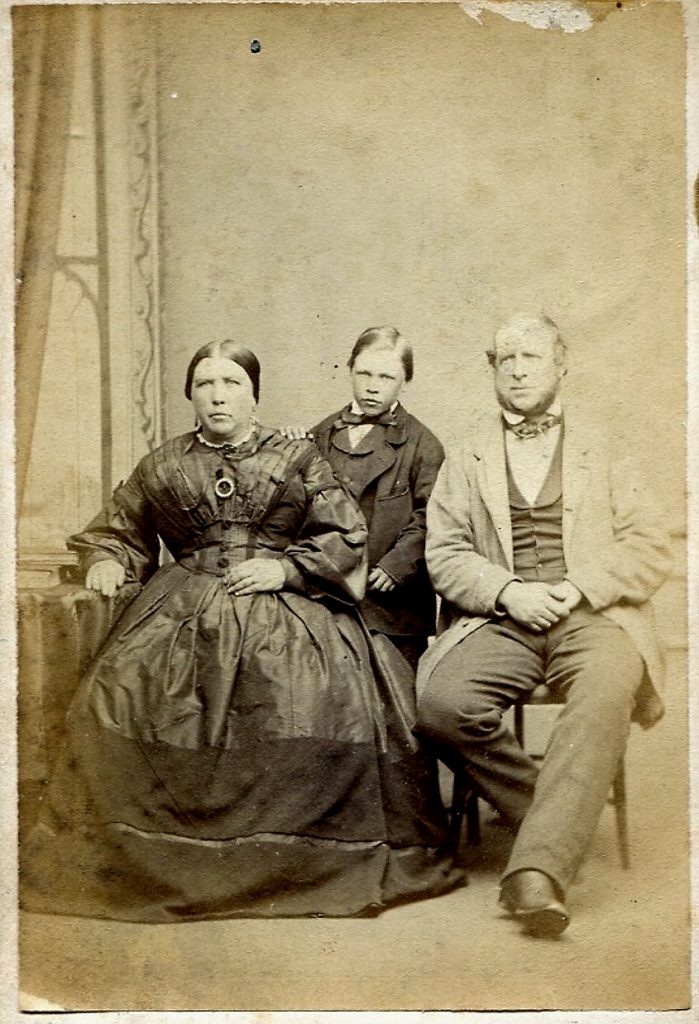
Drawing on estate records, private letters, a rare factor’s diary, letter books rescued from a skip, nineteenth-century photographs and Gaelic oral tradition in word and song, the paper is the first sustained examination of how ground officers were recruited, trained and deployed across the Highlands and Islands. Far from being mere underlings, many were knowledgeable in agricultural improvement, performed crucial managerial and administrative duties, and exercised considerable power and influence in their local communities.
The study asks and answers the vital questions: Who were these men? How were they selected? What did their day-to-day work look like? Can we now put faces to their names? It shows how ground officers were remembered (and reviled) in their own time, how they appear in Gaelic memory and why historians have too often allowed factors and chamberlains to dominate the narrative.
Crucially, the paper argues that neglecting ground officers has distorted our understanding of estate administration and the mechanics of the Clearances. By restoring them to the story, we gain a richer, more nuanced picture of how decisions about crofters, cottars and emigration were actually made.
This research will be essential reading for anyone interested in Highland history, and the cultural memory of the Clearances.
Read the full study to discover the faces, voices and records of the men who, until now, have remained in the shadows.
About the author

Robin K. Campbell is an independent researcher, historian, author, and speaker with a long-standing interest in the Argyll estates and the nineteenth-century Clearances across the Highlands and Islands. His work draws on his own recordings of Gaelic oral tradition bearers in Mull, Tiree and Islay, many of which feature in his writings.